

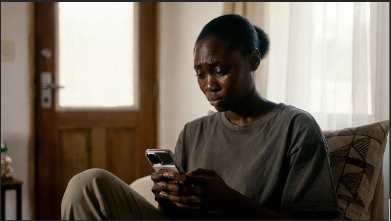
In today’s connected world, private content can spread in seconds. When an intimate video is shared without permission, it can leave the person affected feeling exposed, ashamed, angry, or deeply distressed.
The experience is a serious privacy violation — and it can have real emotional and legal consequences. If this happens to you, know this first: you are not to blame. The responsibility lies with the person who shared the content without consent.
Taking swift and thoughtful action can help limit the damage and protect your well-being. Preserving evidence, reporting the material to the platform where it appears, and contacting the appropriate authorities are important first steps.
Many countries now have laws against non-consensual intimate image sharing, sometimes referred to as image-based abuse.
Equally important is protecting your mental health. Reach out to someone you trust — a close friend, family member, counselor, or support organization. Isolation can make the situation feel worse, while support can help you stay grounded and focused on practical solutions.
Although the digital age presents new risks, it also offers tools for accountability and support. Acting quickly, seeking help, and understanding your rights can make a meaningful difference during a very difficult moment.
If an intimate video is leaked online, it can feel overwhelming and frightening. But you are not powerless, and you are not alone. Here are five crucial steps to take immediately:
- Stay Calm and Preserve Evidence
As upsetting as it is, avoid reacting publicly right away.
- Take screenshots of the posts, profiles, URLs, and timestamps.
- Save messages where someone threatens or shares the content.
- Do not engage in arguments online.
This evidence will help law enforcement and platforms act more quickly.
- Report the Content Immediately
Most social media platforms have strict policies against non-consensual intimate content.
- Use the “Report” or “Privacy Violation” option.
- Clearly state that the content was shared without your consent.
- Request urgent removal.
You can also seek help from organizations like the Cyber Civil Rights Initiative, which supports victims of image-based abuse.
- Contact Law Enforcement
Sharing private sexual content without consent is a crime in many countries.
If you are in Ghana, report the matter to the Ghana Police Service, particularly the Cybercrime Unit.
If the victim is under 18, contact authorities immediately and consider reporting to the National Center for Missing & Exploited Children (if relevant internationally).
This is not “drama” — it is a serious privacy violation.
- Secure Your Accounts
If the leak came from hacking or someone you trusted:
- Change all passwords immediately.
- Enable two-factor authentication.
- Remove suspicious devices from your accounts.
- Review your privacy settings.
Prevent further damage before it spreads.
- Get Emotional Support
This kind of violation can affect your mental health.
- Talk to a trusted adult, parent, school counselor, or close friend.
- Avoid isolating yourself.
- Remember: the person who shared it is responsible — not you.
Feeling ashamed or scared is normal, but you deserve protection and support.