

• About
  • Advertise
  • Careers
  • Contact
Saturday, April 18, 2026
No Result
View All Result
NEWSLETTER
mynewssourceonline
  • Home
  • Politics
  • Entertainment
  • Business
  • Legal
  • Sports
  • Lifestyle
  • World
  • Opinion
  • Home
  • Politics
  • Entertainment
  • Business
  • Legal
  • Sports
  • Lifestyle
  • World
  • Opinion
No Result
View All Result
mynewssourceonline
No Result
View All Result
Home Lifestyle

Transform fallen leaves into valuable leaf mold for your garden this fall

Turn autumn’s fallen leaves into nutrient-rich compost with these simple leaf mold tips

by admin
November 12, 2025
in Lifestyle
0
fallen leaves mold
0
SHARES
10
VIEWS
Share on FacebookShare on Twitter

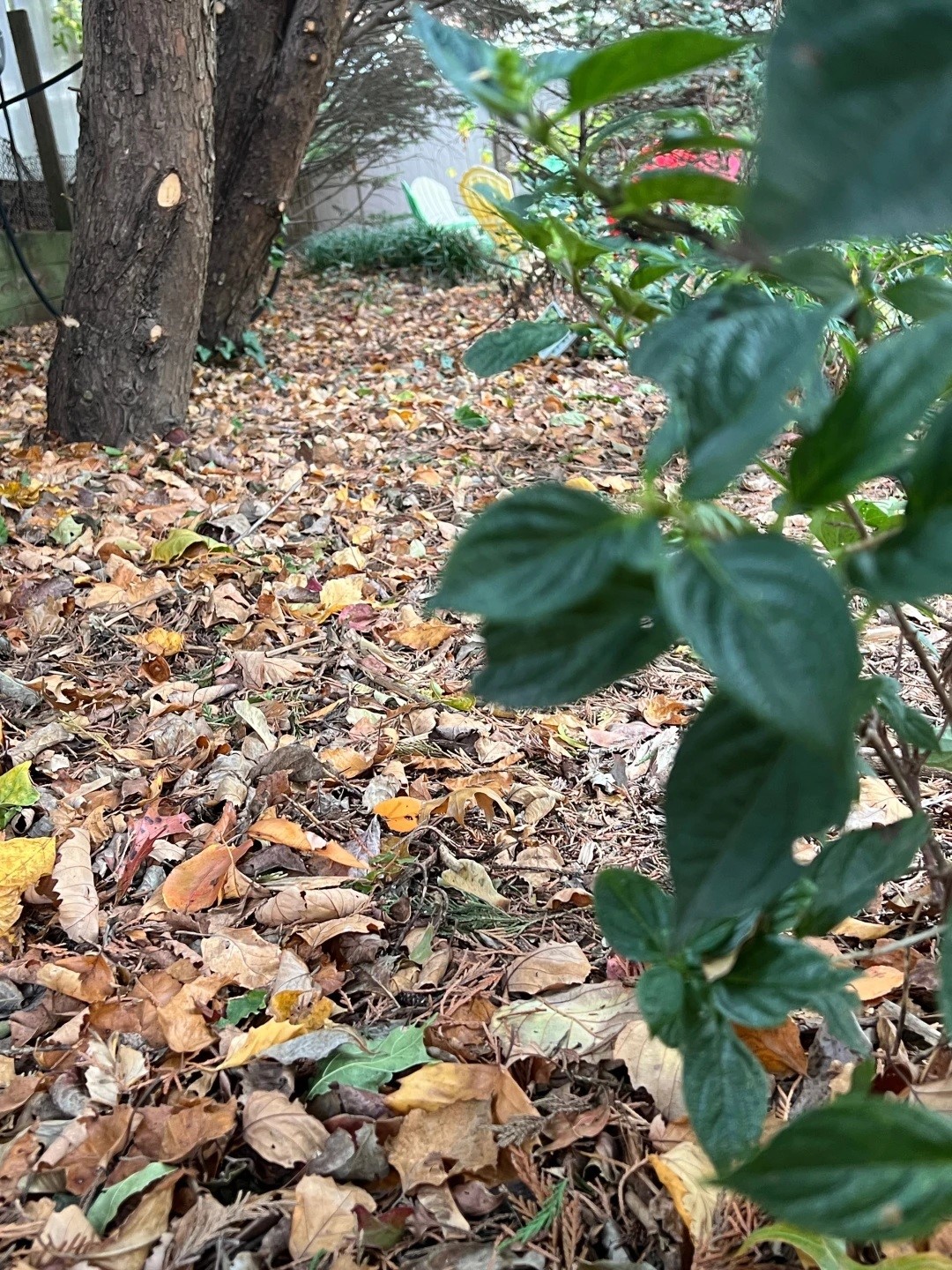
There are many leaves outside my window, and I’m guessing your view might be similar. This carpet of dead foliage is often viewed as a nuisance, but it can be an essential component in the garden.

I’ll push a 3-inch (7.6-centimeter) layer of them into beds and borders to serve as root-protecting and insect-sheltering winter mulch. When they decompose, they’ll also add nutrients to the soil, which will fortify my plants in spring.

Others will make it into the compost pile, which, along with food scraps, weeds, and spent annuals and perennials, will cook into what we gardeners call “black gold.” But there’s another use for fallen leaves that might have escaped your notice: leaf mold.

Simpler than compost but similarly beneficial, leaf mold contains only one ingredient — leaves. It helps increase moisture retention in sandy soil, improve drainage in clay soil, regulate soil temperature, and suppress weeds when applied over the soil in beds and borders.

As far as nutrients go, compost wins, but leaf mold is no slacker. It supports earthworms, beneficial insects, and soil microbes, and boosts the health and vigor of plants.

Nearly any type of leaves can be used to make leaf mold. Smaller ones, like beech and maple, break down in just a few months, whereas larger, thicker leaves, like those of oak, can take as long as two years.

Avoid using black walnut leaves, as they contain a chemical called juglone that is toxic to certain plants. Although fully composted black walnut leaves are generally safe to use, the compound might persist in leaf mold, which doesn’t age as long.

How to make leaf mold

Before making leaf mold, you’ll have to decide where to contain it. You can enclose leaves in a chicken-wire surround, pile them into contractor-grade, black plastic trash bags in which you’ve poked a bunch of holes for air circulation, or place them in an ordinary compost bin.

Regardless, add leaves lasagna-style, alternating with a sprinkling of water and, optionally, a light application of nitrogen fertilizer, which serves to speed up the process (ordinary lawn fertilizer will do).

Check the leaf pile every couple of weeks and water as needed to keep it lightly moist.

In spring, it should resemble humus, the dark, crumbly, nutrient-rich organic matter that serves as a protective layer on the forest floor.

Spread your leaf mold throughout your beds and borders as you would mulch or compost, and add some into the potting mix in your containers. It will release nutrients into the soil, benefiting your plants throughout the growing season.


admin

admin

Next Post
Scott Evans secular

I’d rather sell plantain than go secular – Scott Evans

Leave a Reply Cancel reply

Your email address will not be published. Required fields are marked *

Recommended

Germany’s Ethiopia

Germany’s Bayer, industrial giants eye Ethiopia as reforms lure European capital

3 months ago
Egypt inflation

Egypt cuts rates 100bps as inflation slows to 11.9%

2 months ago

Popular News

  • Iran

    Under fragile ceasefire, Iranians wonder if US deal can be done

    0 shares
    Share 0 Tweet 0
  • The blue light from your phone isn’t ruining your sleep

    0 shares
    Share 0 Tweet 0
  • Jepchirchir withdraws from London Marathon

    0 shares
    Share 0 Tweet 0
  • EU threatens to force Meta to restore WhatsApp full access for rival AI chatbots

    0 shares
    Share 0 Tweet 0
  • Cash is fading in West Africa as fintech rewrites the rules of money

    0 shares
    Share 0 Tweet 0

Connect with us

  • About
  • Advertise
  • Careers
  • Contact
Call us: +233208991455

© 2025 Mynewssourceonline - All rights reserved

Powered by
►
Necessary cookies enable essential site features like secure log-ins and consent preference adjustments. They do not store personal data.
None
►
Functional cookies support features like content sharing on social media, collecting feedback, and enabling third-party tools.
None
►
Analytical cookies track visitor interactions, providing insights on metrics like visitor count, bounce rate, and traffic sources.
None
►
Advertisement cookies deliver personalized ads based on your previous visits and analyze the effectiveness of ad campaigns.
None
►
Unclassified cookies are cookies that we are in the process of classifying, together with the providers of individual cookies.
None
Powered by
No Result
View All Result
  • Home
  • Politics
  • Business
  • Entertainment
  • Banking
  • Legal
  • Sports
  • Lifestyle
  • World
  • Opinion

© 2025 Mynewssourceonline - All rights reserved