

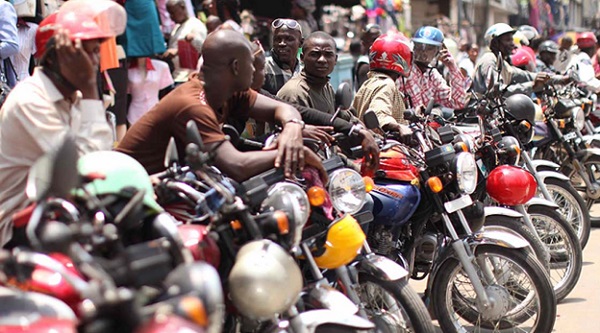
Parliament has passed the Road Traffic (Amendment) Bill, widely known as the “Okada Bill,” following its third reading at the plenary.
The legislation seeks to permit the commercial use of motorcycles and tricycles nationwide, subject to strict safety regulations, including the mandatory use of protective gear.
Once the President assents to the Bill, motorcycle and tricycle operations for commercial transport will be officially legalised across the country.
This represents a major policy shift aimed at regulating and integrating the widely used but previously outlawed “Okada” services into Ghana’s transport system.
During the debate preceding its passage, Members of Parliament (MPs) expressed concerns about road safety. Some lawmakers proposed the creation of dedicated lanes for motorcycles and tricycles to reduce accidents and improve traffic flow.
Others criticised the reckless riding habits of certain operators, warning that without strict enforcement, the new law could worsen existing road safety challenges.
Supporters of the Bill argued that legalisation would create jobs, improve mobility in underserved areas, and offer more affordable transportation options. Critics, however, stressed the need for strong regulation, comprehensive rider training, and public education to address indiscipline on the roads.
The Bill’s passage is expected to generate nationwide discussion as stakeholders await presidential assent, which will determine its full implementation.
Despite its economic benefits, the okada sector has faced longstanding criticism over safety concerns. Official statistics recorded more than 700 deaths from okada-related accidents in 2019.
The government’s new regulatory approach aims to mitigate these risks by promoting safety training, licensing, and the use of standardised protective equipment.
In May 2025, for instance, about 300 okada riders underwent road safety training provided by Gold Coast Mobility Innovations, reflecting ongoing efforts to professionalise the industry.
The same company has introduced a ride-hailing mobile app to bring greater structure and dignity to commercial motorbike transport.
Legalising okada operations is expected to formalise the livelihoods of an estimated 4,000 riders in Greater Accra and beyond, reducing police harassment and expanding access to insurance and other formal employment benefits.
However, significant challenges remain, including effective enforcement, infrastructure upgrades, and sustained public awareness to ensure consistent adherence to safety standards.