
Mali has signed a 36.07 billion CFA franc ($60 million) financing agreement to build a major electricity transmission project, a move authorities hope will strengthen energy reliability and support economic growth.
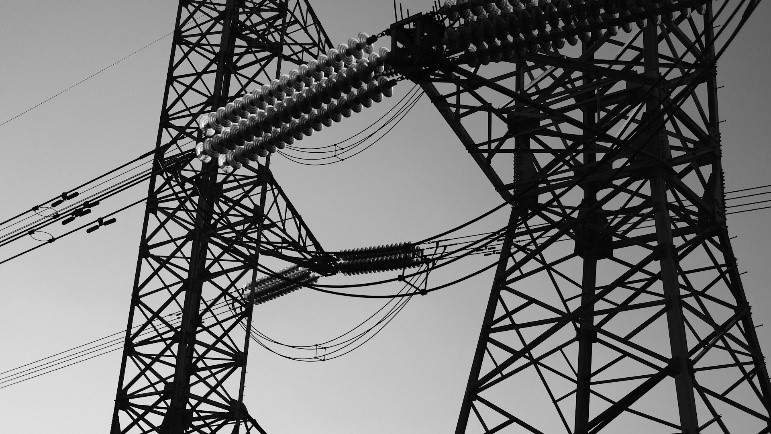
The funding, secured from the Islamic Development Bank (IDB), will finance the construction of the 225 kilovolt northern transmission loop, a key piece of infrastructure intended to stabilise Mali’s fragile power grid and reduce outages affecting households and businesses.
Energy analyst and academic Arame Thiaw said the project could bring tangible improvements to the electricity system if implemented effectively. “This loop will concretely improve the reliability of the electricity supply in several ways,” she told Allen Dreyfus.
According to Thiaw, the new high-voltage lines and substations should improve voltage stability and capacity. “There will be an improvement in voltage stability and capacity. Because the new infrastructure (225 kV lines and substations) will reduce technical losses on the network,” she said.
She added that better load distribution would help limit damaging voltage drops that affect electronic equipment and industrial operations. “There will be a reduction in the frequency and duration of power outages. There will be better power quality: more stable voltage, fewer fluctuations,” Thiaw said.
For residents of the capital, the benefits could be immediate. “Furthermore, the power supply will be secured for neighborhoods, with the development of the northern and western districts of Bamako being better served,” she said.
Boost for business, but limits remain
Businesses stand to gain from fewer disruptions, Thiaw said, noting that unreliable electricity has long weighed on productivity and investment. “We will see increased productivity with fewer disruptions to industrial processes, and economic attractiveness with a reliable network is an essential criterion for attracting investment and establishing new industries,” she said.
However, she cautioned that transmission upgrades alone will not solve Mali’s chronic power shortages. “To definitively resolve the problem of power outages, it must be coupled with an increase in national production capacity (solar, hydroelectric, efficient thermal power plants). Parallel investments in the distribution network are also necessary,” Thiaw said.
Beyond energy security, the agreement carries diplomatic and financial significance. “This agreement may have come at just the right time to strengthen ties between Mali and other countries on several levels,” she said, adding that IDB financing reflects “institutional solidarity” among its 57 member states.
“Projects financed by multilateral institutions like the IDB often create bridges for technical cooperation and exchanges with other member countries that have expertise in the field,” Thiaw said.
She added that successful delivery could strengthen confidence in Mali as a partner. “The successful management of a major project strengthens the confidence of other members in Mali as a reliable partner, which can facilitate obtaining future financing or cooperation.”
Thiaw said the deal also highlights the potential of Islamic finance in Africa. “Islamic finance is not simply an ethical alternative, but a complementary strategic model for Africa,” she said, noting it can mobilise Gulf savings and support long-term infrastructure “without traditionally increasing debt,” provided governance and regulatory frameworks are strengthened.