

Germany’s pharmaceutical giant Bayer and several major German companies are exploring fresh investments in Ethiopia as the country pushes reforms to attract long-term European capital.
The renewed interest followed a high-level investment forum organised by the Ethiopian Investment Commission, which brought together senior Ethiopian officials and a delegation of six German companies spanning pharmaceuticals, energy, logistics, trade, and machinery.
The delegation was led by Dr. Israng, Commissioner for Economic Security and Deputy Director-General at the German Federal Foreign Office, who said the visit aimed to identify “concrete opportunities” aligned with Berlin’s growing focus on resilient supply chains and industrial partnerships.
Ethiopian Investment Commission Commissioner Zeleke Temesgen presented the talks as part of a deeper, evolving relationship between Addis Ababa and Berlin. “Ethiopia and Germany share a long-standing, trust-based development relationship,” he told investors.
He stressed that Ethiopia’s reform drive is moving beyond rhetoric. “We are implementing comprehensive macroeconomic and structural reforms to attract quality foreign direct investment,” Zeleke said.
“These reforms include a transition toward a market-oriented economic system, improvements in foreign exchange management, and the streamlining of investment procedures,” he added, arguing that German firms could help Ethiopia achieve its ambition “to become a regional hub for industry, transport, and logistics.”
Healthcare and partnerships in focus
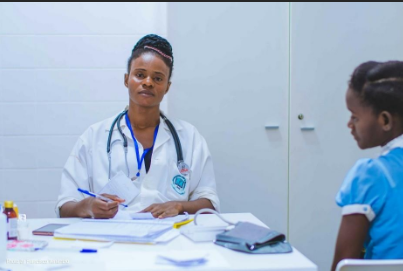
Healthcare emerged as one of the most prominent sectors during the discussions, particularly in pharmaceutical manufacturing. State Minister of Health Frehiywot Abebe said Ethiopia is seeking investors who see the country as a production base rather than just a consumer market.
“The pharmaceutical industry presents significant investment potential,” she said. “Ethiopia’s strategic location enables investors to serve not only the domestic market but also the wider African market through local production.”
From the government’s investment arm, Ethiopian Investment Holdings’ chief executive, Biruk Taye, signalled openness to structured partnerships with German firms. “EIH is ready to collaborate with German investors through public-private partnerships and joint ventures, particularly within government development enterprises,” he said.
German officials framed the engagement within a broader strategic context. Dr. Israng said Ethiopia features prominently in Germany’s foreign economic security thinking, where industrial capacity, market access, and supply chain resilience increasingly shape diplomacy.
Bayer’s participation gave the forum added commercial weight. The group operates in around 80 countries through nearly 300 consolidated entities and employs close to 100,000 people worldwide, with businesses spanning pharmaceuticals, crop science, and consumer health.
For Ethiopia, a Bayer investment could help anchor local drug manufacturing, reduce reliance on imports, and support agricultural technology transfer through crop science.
The forum concluded with technical sessions focused on regulation, currency management, and market access, with both sides committing to move discussions from dialogue to implementation.
For Addis Ababa, the engagement suggests its reform narrative is gaining traction in European boardrooms. For investors, the opportunity hinges on whether Ethiopia’s macroeconomic reset delivers predictable returns.
As Zeleke put it, the priority now is ensuring that “policy reform becomes project delivery.”