

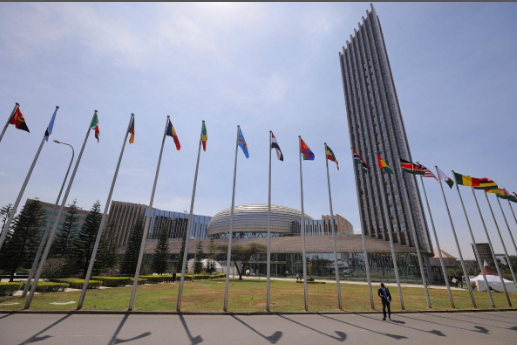
A feud between Saudi Arabia and the United Arab Emirates(UAE) across the Horn of Africa is overshadowing this weekend’s African Union summit, though most of the continent’s leaders will try to avoid taking sides, nine diplomats and experts said.
What began as a rivalry in Yemen has spread across the Red Sea into a region riven with conflicts – from war in Somalia and Sudan to rivalry between Ethiopia and Eritrea and a divided Libya.
In recent years, the UAE has become an influential player in the Horn – encompassing Sudan, Somalia, Ethiopia, Eritrea, and Djibouti primarily – through multi-billion-dollar investments, robust diplomacy, and discreet military support.
Saudi Arabia has been more low-profile but diplomats say Riyadh is building an alliance that includes Egypt, Turkey and Qatar.
“Saudi Arabia has woken up and realised that it might lose the Red Sea,” a senior African diplomat told Reuters. “They have been sleeping all along while the UAE was doing its thing in the Horn.”
Initially focused on the Red Sea and the Gulf of Aden – both crucial shipping routes– the rivalry is now reaching further inland.
“Today it is in Somalia, but it is also playing out in Sudan, Sahel, and elsewhere,” the diplomat said.
Compelled to choose a side
While these conflicts have strong local drivers, Gulf involvement is forcing countries, regions, and even warlords to choose a side, diplomats said.
Michael Woldemariam, a Horn of Africa expert at the University of Maryland, said regional actors, including Eritrea, Djibouti, Somalia, and the Sudanese Armed Forces (SAF), have grown uneasy with the UAE’s “muscular” foreign policy.
“Saudis may seek to limit or curtail the UAE in the Horn, but it remains to be seen how that will play out,” he said. “UAE has a lot of leverage across the region – it has this expeditionary military presence and dense financial linkages.”
Saudi officials say UAE activities in Yemen and the Horn threaten their national security.
Buried under all that trash is the once busy Fras Market, a historic quarter that served nearly 600,000 residents before the war.
Senior Emirati officials say their strategy strengthens states against extremists, while U.N. experts and Western officials argue it has sometimes fuelled conflict and empowered authoritarian leaders, charges the UAE denies.
The officials and diplomats interviewed in this story declined to be named because of the sensitivity of the matter.
Avoiding A Brawl Between Gulf Powers
Israel’s recognition of Somaliland’s independence bid is the starkest example so far of tensions being stoked.
Somalia has cut all ties with Abu Dhabi, accusing it of influencing Israel’s recognition of Somaliland. Mogadishu has since signed a defence agreement with Qatar, while Turkey sent fighter jets to the capital in a show of force.
Tensions are also rising between the African Union host Ethiopia and neighbouring Eritrea, which have been on the verge of war for months. Eritrea’s leader recently visited Saudi Arabia, a trip that analysts perceived as signalling Saudi backing.