

Ethiopia’s Domestic Debt Has Surged To 2.56 Trillion Birr ($17.1bn) As Of September 30, 2025, Reflecting The Government’s Growing Dependence On Local Borrowing To Plug Fiscal Gaps Amid Rising Inflation.
According To The Ministry Of Finance’s Latest Debt Bulletin, Demand For Short-Term Government Securities Continues To Dominate The Market.
In September Alone, The Government Raised 53.35 Billion Birr ($356 million) Through Two Treasury Bill (T-Bill) Auctions, Highlighting The Preference For Short-Term Instruments.
However, Investor Interest In One-Year (364-Day) Bonds Remained Subdued, With Only 36% Of The Offering Sold, While 28- And 91-Day Bills Were Oversubscribed – A Sign Of Investor Caution In An Uncertain Economic Climate.
Short-Term Gains, Long-Term Risks
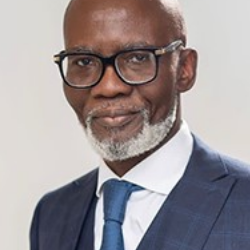
“The Domestic Debt Has Risen Rapidly, And The Government’s Reliance On Short-Term Borrowing Shows Growing Fiscal Stress,” Said Addis Ababa-based economist Mushe Semu. “Investors’ Preference For Short Maturities Reflects Inflation Fears And Limited Confidence In Long-Term Securities.”
The Commercial Bank of Ethiopia (CBE) Holds The Largest Share Of The Domestic Debt At 43%, Followed By The National Bank of Ethiopia (26.3%) And Pension Funds (19.3%).
Despite The Rising Debt Load, the Ministry of Finance Plans To Raise An Additional 243.05 Billion Birr ($1.62 billion) through T-Bills between October and mid-December, Further Deepening Short-Term Obligations.
Mushe Cautioned That Ethiopia’s Shift From Direct Central Bank Financing To Market-Based Borrowing Through T-Bills, While More Transparent, Has Introduced New Risks.
“Although Treasury Bills Help Avoid Direct Money Printing, The High Interest Rates On These Instruments Are Crowding Out Private Investment,” He Said.
“The Private Sector’s Borrowing Capacity Is Shrinking, And Credit Costs Are Rising, Limiting Opportunities For Growth And Job Creation.”
Mounting Fiscal Pressure
Mushe Warned That Excessive Reliance On Domestic Borrowing Could Heighten Three Significant Risks: A Growing Fiscal Burden, Inflationary Pressure, And Reduced Private Capital Flow.
“High Debt Servicing Costs Divert Funds Away From Essential Sectors Like Education, Health, And Infrastructure,” He Said.
“Over Time, This May Force The Government To Increase Taxes Or Cut Social Spending, Both Of Which Slow Economic Progress.”
He Urged That Borrowing Be Guided By Fiscal Discipline And Long-Term Development Priorities. “If The Government Continues To Expand Debt Without Aligning Fiscal And Monetary Policies, It Could Destabilise Markets And Erode Confidence,” He Added. “Borrowing Should Be A Tool For Development, Not A Cycle Of Dependency.”
As Ethiopia’s Ministry of Finance Prepares To Raise Another $1.6 Billion Before The End Of The Year, Analysts Say The Country Faces A Critical Balancing Act – Maintaining Liquidity While Safeguarding Fiscal Sustainability. How Ethiopia Manages This Challenge Could Determine The Resilience Of Its Fragile Economic Recovery.