

The Ghana Journalists Association (GJA) has announced plans to champion legal reforms to protect journalists from Strategic Lawsuits Against Public Participation (SLAPPs), warning that abusive litigation poses an increasing threat to press freedom and investigative journalism in Ghana.
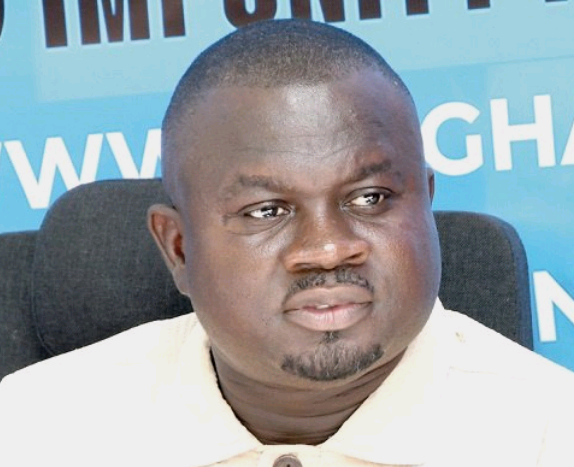
Speaking at a press conference in Accra, GJA President Albert Dwumfour said while every citizen has the constitutional right to seek legal redress for defamation, some lawsuits are increasingly being used as tools to intimidate journalists, drain newsroom resources and discourage public-interest reporting.
He noted that SLAPPs are designed not necessarily to win cases but to silence journalists through financial pressure, lengthy court battles and fear of legal consequences.
“The objective appears not to be truth or redress but intimidation. The aim is to make the cost of reporting so high that newsrooms are forced into silence and self-censorship,” he stated.
Mr. Dwumfour said Ghana was beginning to witness worrying signs of the global trend, particularly in cases involving investigations into corruption, abuse of office, procurement irregularities, environmental crimes and governance failures.
The GJA President cited the case involving Managing Editor of The Herald, Larry Dogbey, as an example of the growing concern over legal actions that could have a chilling effect on responsible journalism.
While acknowledging that the courts must determine the merits of individual cases, he cautioned against turning litigation into an instrument for suppressing critical reporting.
“If journalists constantly fear crushing lawsuits after every difficult story, then public-interest journalism will suffer, and ultimately the public loses its watchdog,” he said.
To address the growing challenge, the GJA announced plans to begin consultations with Parliament, the Attorney-General, the Ghana Bar Association, the National Media Commission, civil society organisations and other stakeholders on introducing anti-SLAPP legislation or procedural safeguards.
Among the proposed reforms are provisions allowing courts to dismiss clearly abusive lawsuits at an early stage, protection against excessive damages, and legal mechanisms to distinguish genuine defamation claims from cases intended to silence criticism.
Mr. Dwumfour stressed that the Association was not seeking immunity for journalists but advocating a balanced legal framework that protects both reputations and press freedom.
He reminded public officials that scrutiny and criticism are inherent aspects of democratic governance and urged them to respond to media reports through lawful means rather than intimidation.
The GJA also appealed to the judiciary and legal fraternity to consider the broader democratic implications of abusive litigation against journalists.
The Association reaffirmed its commitment to supporting journalists facing SLAPPs while working with democratic institutions to safeguard media freedom.
Mr. Dwumfour said protecting investigative journalism remains essential for transparency, accountability and informed public participation in Ghana’s democracy.