

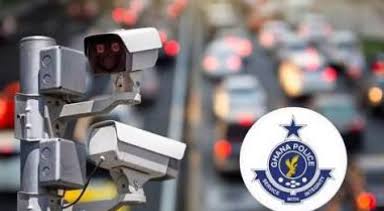
Ghana’s Motor Traffic and Transport Department (MTTD) says it is ready to launch a digital traffic enforcement system on Sunday, using cameras to detect speeding offences and send electronic violation notices to vehicle owners.
The system, known as TraffiTech-GH, will initially target speeding at locations identified as prone to road crashes, the department’s Director of Education, Research and Training, ACP Alexander Kwaku Obeng, said.
“We are set, everything is ready, and we are taking off,” he said.
Under the system, cameras mounted in police vehicles and on tripods will capture vehicles exceeding prescribed speed limits. The MTTD will process the footage and send electronic notices to the phone numbers of vehicle owners registered with the department.
The notices will carry the sender identification GPS MTTD and include a link through which recipients can access video evidence of the alleged offence.
The evidence will show the date, time and location of the incident, allowing vehicle owners to verify the reported violation.
14 days to pay or contest offences
ACP Obeng said motorists who receive electronic notices would have 14 days to pay the prescribed fine or challenge the alleged offence in court.
He said the system would allow police to gather evidence without necessarily stopping drivers, impounding vehicles or taking motorists to police stations and motor courts.
The initial enforcement will cover drivers exceeding speed limits of 50 kilometres per hour in towns, 90 kilometres per hour on highways and 100 kilometres per hour on motorways.
ACP Obeng stressed that TraffiTech-GH was designed specifically to tackle speeding and would not replace the existing manual enforcement of other road traffic offences.
The digital system will operate alongside traditional policing methods, although the department intends to reduce roadside arrests for speeding using handheld radar guns.
Transport operators oppose rollout
The launch comes amid opposition from commercial transport operators, who have threatened to suspend services nationwide from November 1 in protest against the planned implementation.
ACP Obeng said the MTTD had engaged transport stakeholders and undertaken public education ahead of the rollout.
He added that some operators had welcomed the digital approach because it could spare drivers the inconvenience of being arrested and taken to police stations and courts.
The department says the initial focus on speeding is intended to improve compliance with road traffic regulations and address dangerous driving at crash-prone locations.