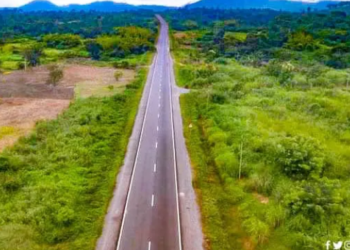

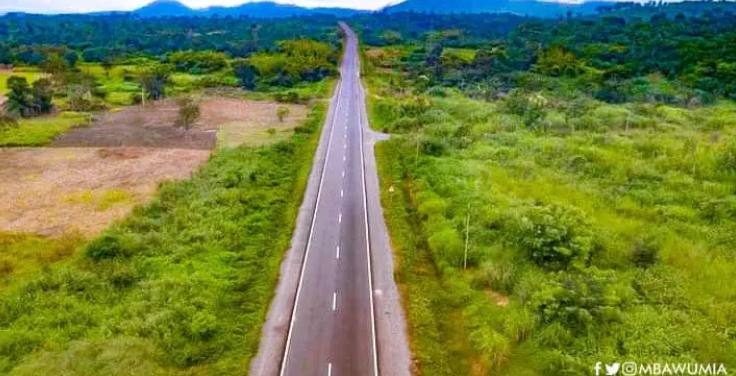
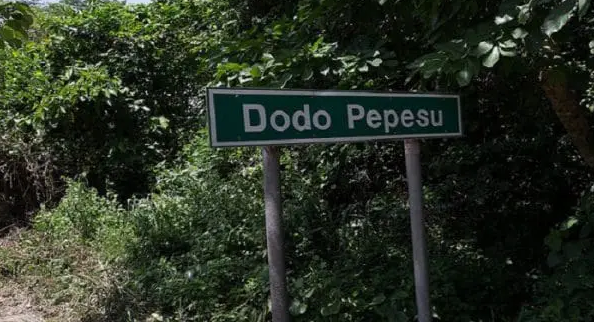
The rehabilitation of the Dodo Pepesu–Nkwanta road has sparked renewed public debate over rising infrastructure costs and value for money, nearly a decade after the project was first completed.
Originally constructed in 2016 as a European Union–funded initiative, the road was awarded through a competitive international tendering process at a cost of €25.9 million.
At the time, the project was widely celebrated as a major milestone in road infrastructure. Former President John Mahama described it as “pleasing to the eye,” highlighting its quality and visual appeal upon completion.
However, concerns about the road’s durability began to surface shortly after its commissioning. Investigative journalist Manasseh Azure Awuni, in a documentary, pointed to early signs of deterioration and questioned the quality of work executed. He further noted that local contractors could draw lessons from the standards applied in such projects.
Fast forward to today, the same road has been awarded for rehabilitation at a reported cost of 804 million. When converted, this exceeds €63 million—nearly three times the original construction cost.
This sharp increase has raised concerns among analysts and the general public, particularly given that asphalt roads are typically expected to last up to 30 years under proper conditions.
The development has reignited calls for greater transparency, accountability, and stricter quality control in public infrastructure projects. Critics argue that such a high rehabilitation cost within a relatively short period suggests possible inefficiencies or lapses in construction standards.
As Ghana continues to invest heavily in road infrastructure, the Dodo Pepesu–Nkwanta case underscores the importance of durability, effective oversight, and prudent financial management in delivering long-term value for citizens.
However, Roads and Highways Minister Kwame Agbodza has defended the cost of the rehabilitation works, dismissing claims of inflated figures circulating in the media.
According to him, the approved contract sum stands at GH¢683,902,957.69, not the GH¢854 million figure reportedly cited by the Fourth Estate.
His clarification follows comments by Suleman Braimah on Accra-based Joy News, where he suggested that the rehabilitation contract exceeds the cost of the road’s original construction.
Responding to the claims, Agbodza urged the public to disregard what he described as misinformation about an alleged contract inflated by over GH¢120 million. He stressed that the official contract value for the Dodo Pepesu–Nkwanta project remains unchanged at GH¢683.9 million.
The Minister further stated that attempts to scandalise the project would not deter the government’s commitment to improving the country’s road network.